Elevate Your Craft — Mentorship for Aspiring Photographers
Why Mentorship Matters in Photography
Photography is both an art and a craft. It’s easy to feel overwhelmed by gear choices, exposure settings or the pressure to find a unique style. Finding a mentor can transform that anxiety into confidence.
Mentors also rekindle your creativity: when your motivation wanes, an outside perspective can help you analyze your slump and find new inspiration . Accountability is another benefit. A mentor can check in, remind you of the goals you set and push you to follow through . Beyond personal growth, mentoring expands your network; connections your mentor introduces you to may open doors to education or business opportunities . Perhaps most importantly, mentors bring real‑world learning—they share hands‑on experience and practical tips that books don’t offer .
What My Mentorship Offers
I designed my mentorship program to support photographers at different stages—from beginners learning to use manual mode to professionals refining their brand. Our sessions are personalised around your goals, whether you want to master wedding photography, break into family and lifestyle sessions or sharpen your editing. Here’s what you can expect:
• Goal‑setting & Portfolio Reviews: We start by clarifying where you are and where you want to go. Together we review your work and identify strengths and growth areas.
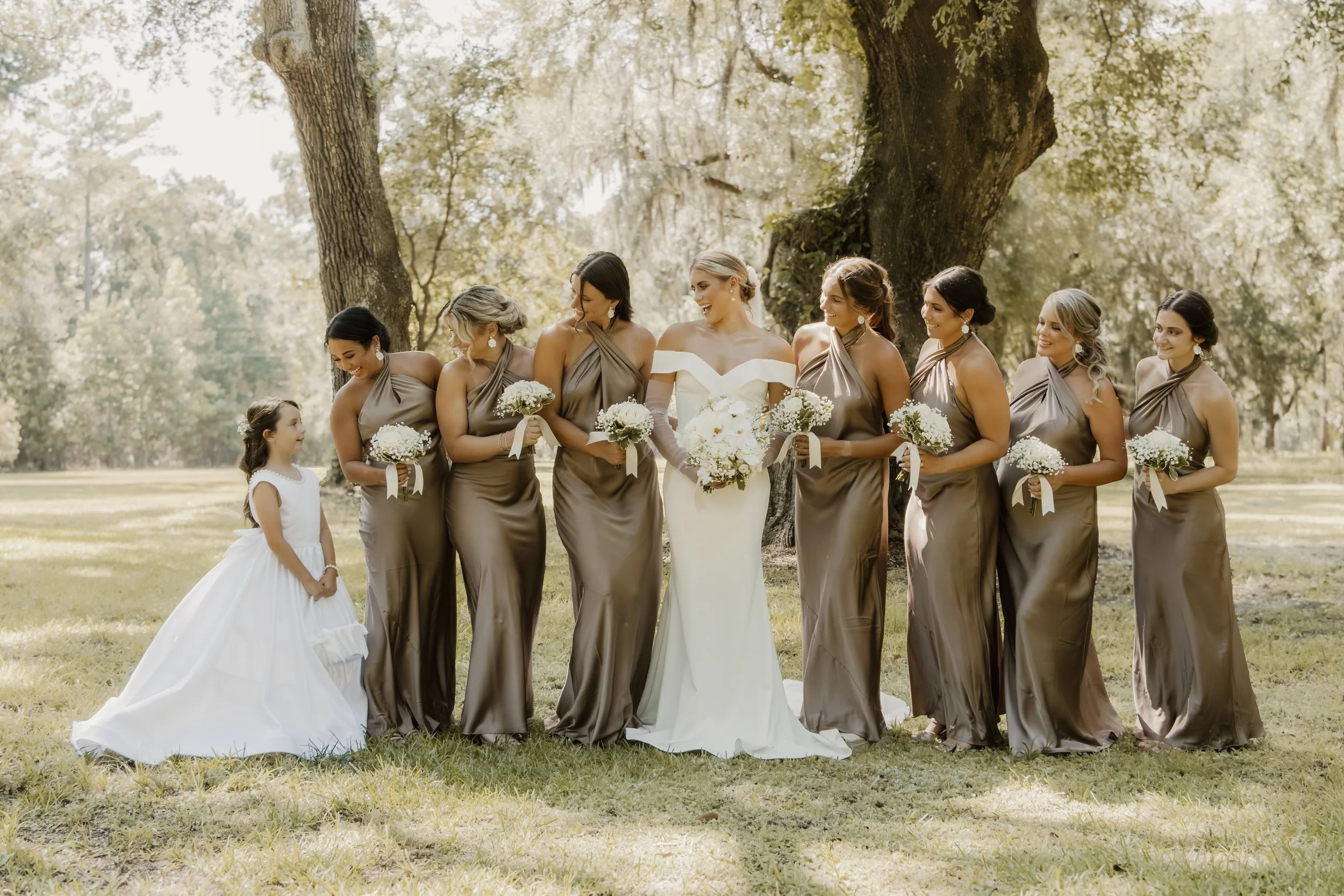
• Hands‑on Shooting Sessions: Join me on a real wedding or family session and observe how I interact with clients, manage timelines, use natural light and compose storytelling images. Practical experience is invaluable .
• Editing & Workflow Coaching: Learn efficient editing using Lightroom and other tools, from culling to color grading. We also discuss AI tools that speed up repetitive tasks without overriding your vision—software like Adobe’s Sensei, Topaz AI and Luminar Neo help with noise reduction and smart enhancements .
• Business & Client Management: We talk pricing, contracts, client experience and marketing. You’ll learn how to attract the right clients while staying true to your style.
• Accountability & Community: Regular check‑ins keep you on track , and you’ll gain access to a community of like‑minded photographers for feedback and support .
Essential Skills Every Beginner Must Master
Before diving into advanced techniques, strengthen your foundation. Giliane Mansfeldt’s guide for beginners reminds us that understanding light and composition remains crucial—even as technology evolves . Here are five core skills:
1. Mastering lighting: Light is the heart of every photograph; it sets mood and context . Practice observing natural light throughout the day and learn to use reflectors or diffusers.
2. Composition techniques: Rules like the rule of thirds and leading lines transform good photos into great ones . Experiment with framing and negative space to tell a stronger story.
3. Exposure triangle: Understand how ISO, aperture and shutter speed interact. A low ISO keeps images clean; a wide aperture (f/1.8) creates shallow depth of field; a fast shutter freezes action .
4. Manual settings & creative control: Shooting in manual mode gives you control over the look and feel of your images. It’s like having a full palette of colors to paint with .
5. Post‑processing fundamentals: Learn to enhance images without over‑editing. Good editing should amplify the story rather than distract from it .
Tips for Finding The Right Mentor
Think about whether you need help with technical skills, business strategy or creative vision, and seek a mentor who excels in those areas.
Ready to take the next step? Send me a message with your goals, and let’s begin building the photography career you’ve dreamed of.